This ambitious initiative is supported by the Global Partnership for Education Knowledge and Innovation Exchange, a joint endeavour with the International Development Research Center, Canada; the Foreign, Commonwealth and Development Office of the United Kingdom; and the Hewlett Foundation.
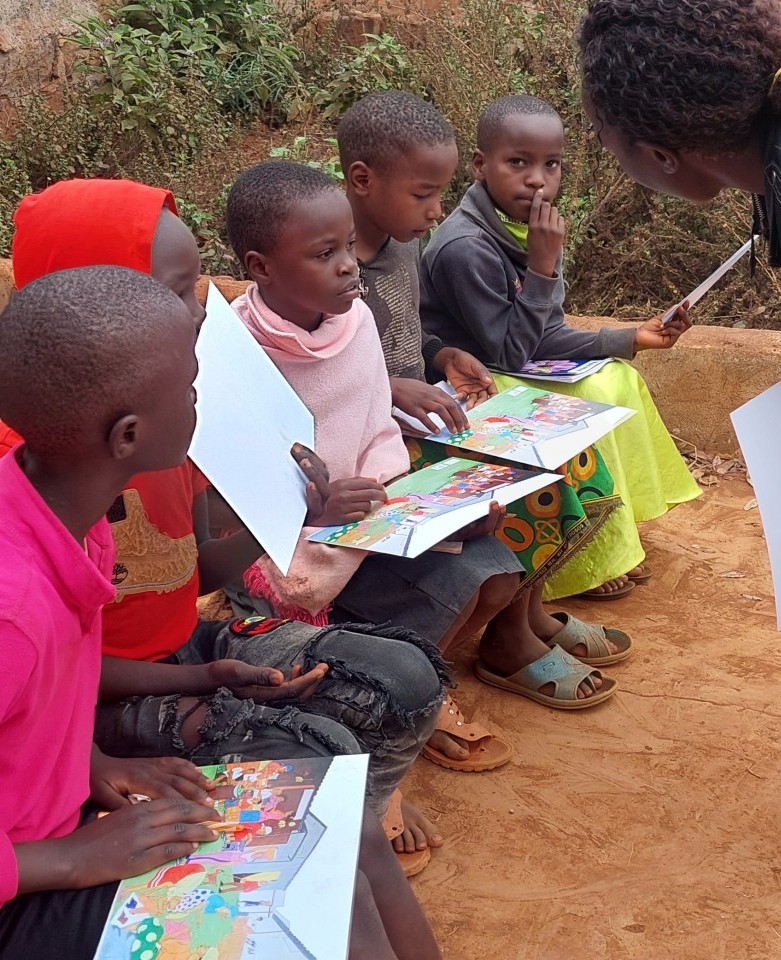
Over the past fifteen years, citizen-led assessments (CLAs) by PAL Network members have highlighted the' invisible problem' of insufficient foundational abilities. This learning crisis existed before COVID-19, but has deepened further as a result of the pandemic. CLAs are conducted orally, with one child at a time.
They do not assume that children can read or write. They are conducted in the household rather than in school to ensure that all children are reached, not just those who are enrolled or attending school regularly. They are simple touse, supporting local adoption, citizen agency and scalable action. CLAs have proven to be reliable estimates of learning achievements and align with SDG4, Target 4.1 which states that by 2030, all girls and boys should complete free, equitable and quality primary and secondary education leading to relevant and effective learning outcomes.
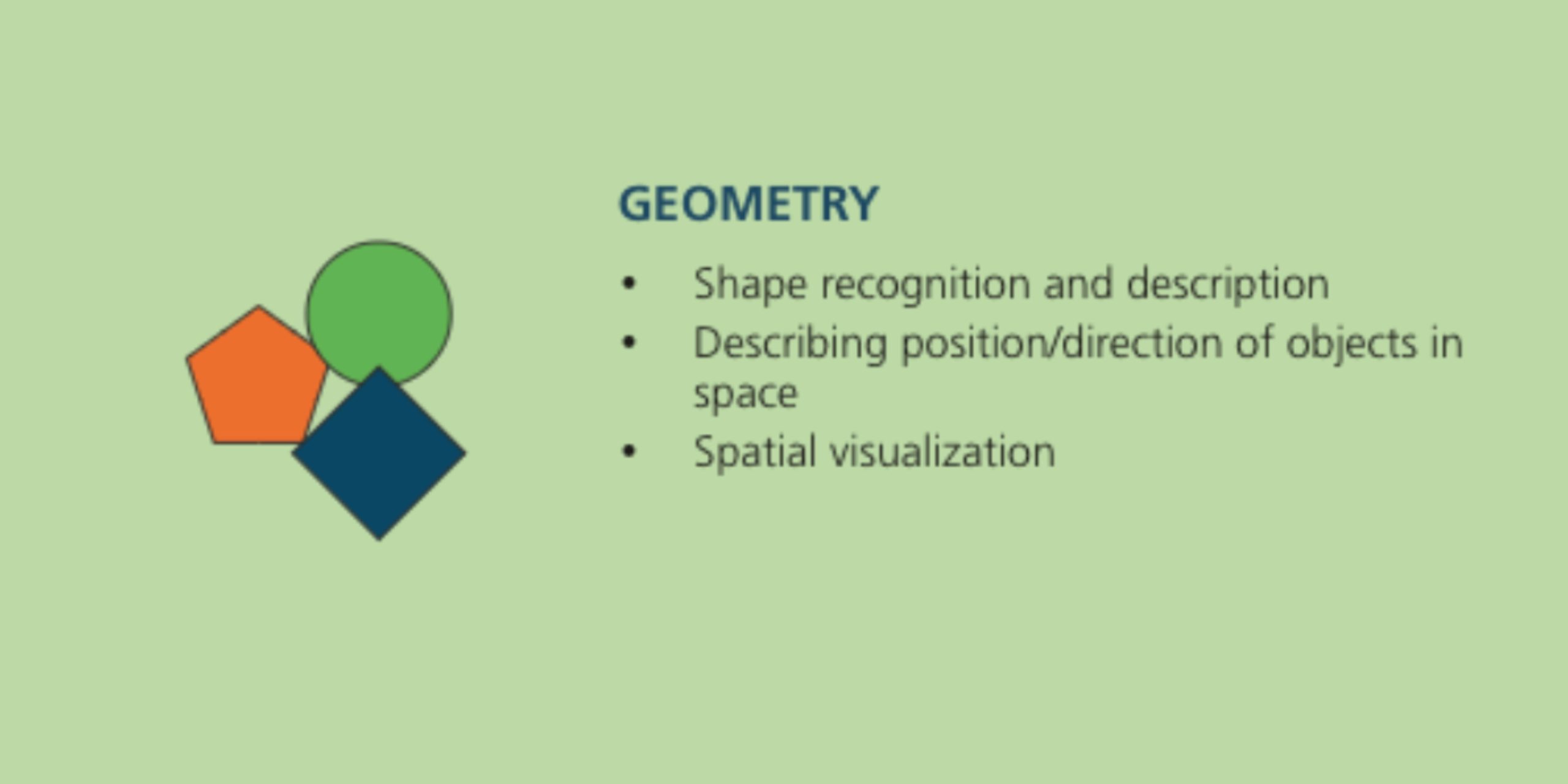
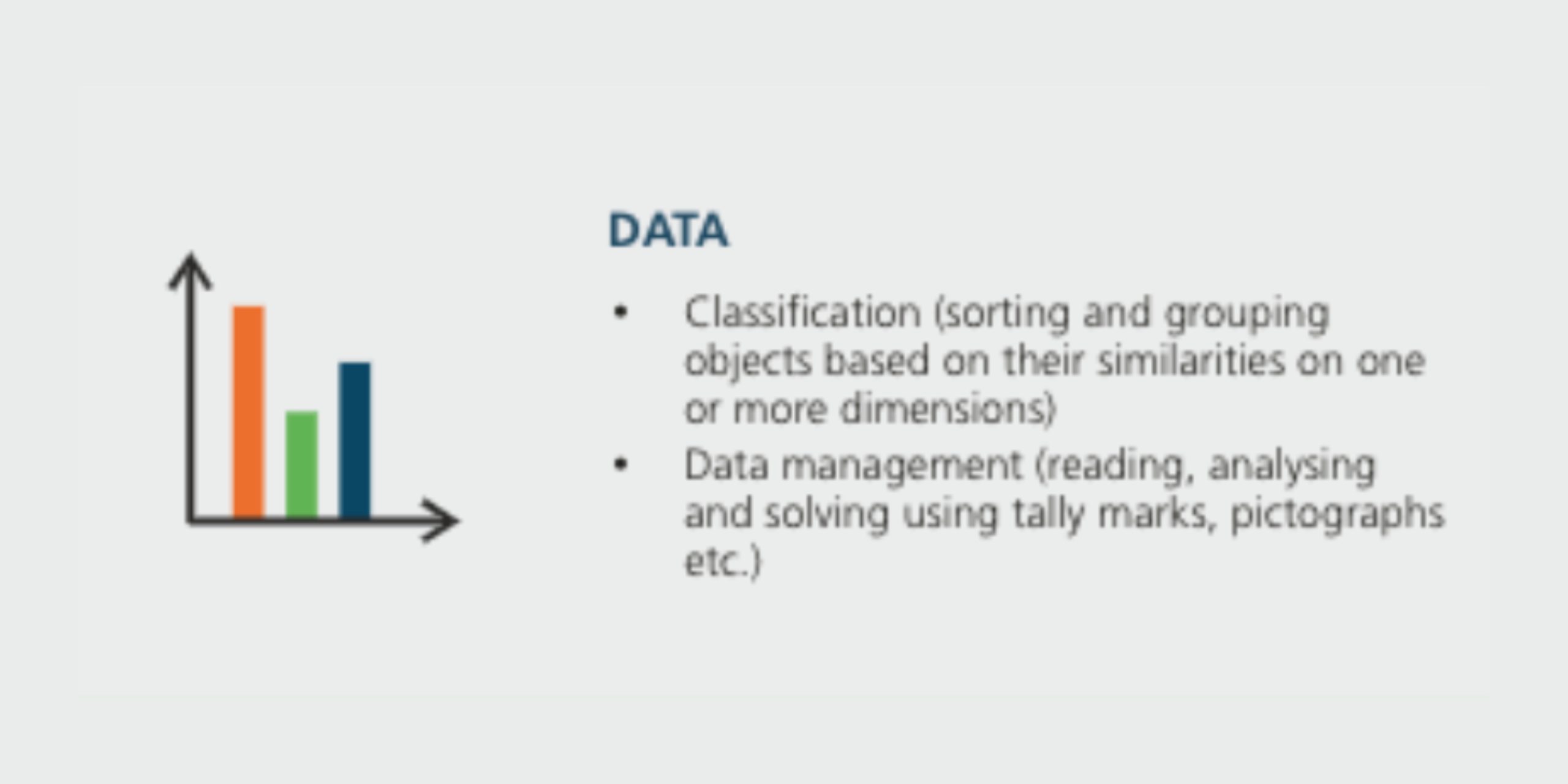
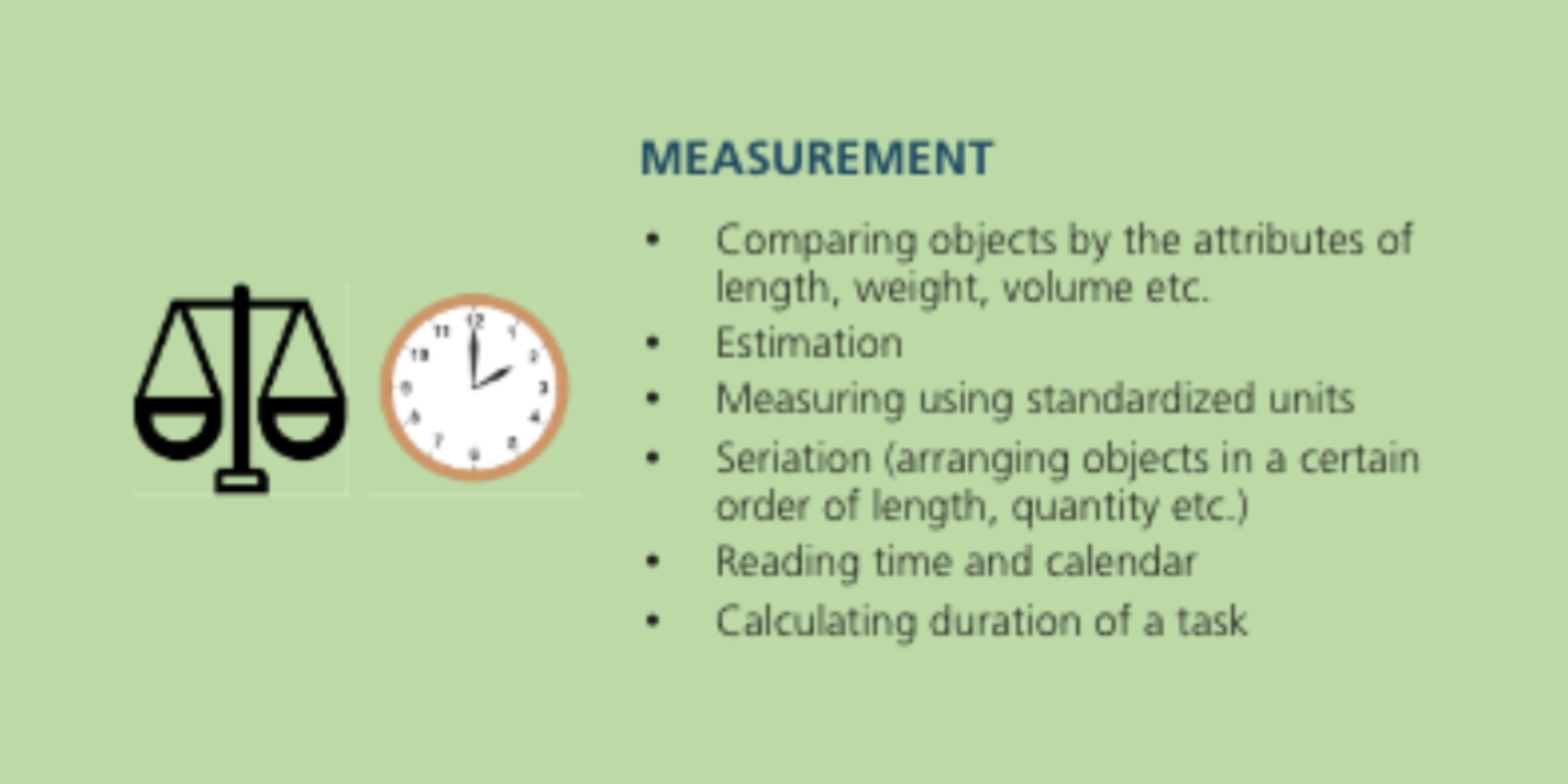
PAL-ELANA builds on this trajectory and on PAL Network's International Common Assessment of Numeracy (ICAN) that was implemented across the network in 2019 and 2020. PAL-ELANA incorporates the same core principles but focuses on the early language, literacy, and numeracy abilities of the youngest learners. Despite the known importance of this first stage in children's educational journey, no tools currently exist to assess children's abilities over these critical early years in ways that generate comparable data within and across countries. ELANA will help to fill this gap.