Uncategorized
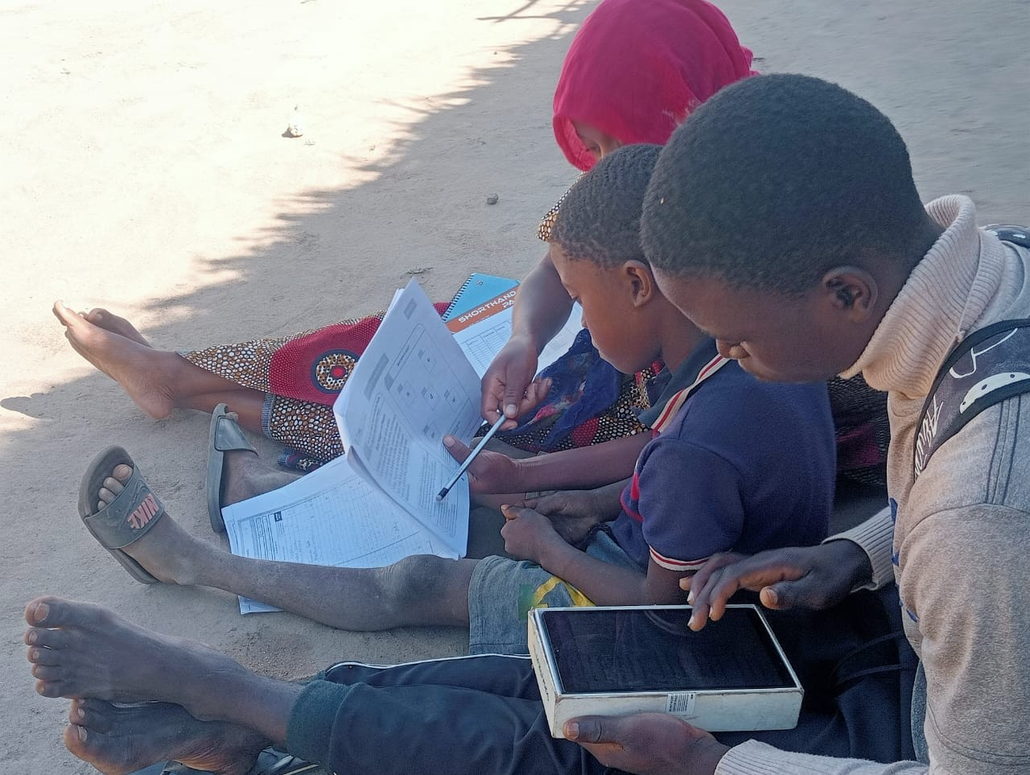
Last year, as PAL Network was conducting the global round of the ICAN-ICAR assessment across countries in the Global South, one child in Nicaragua did something unexpected. After the assessment was over, the child copied some of the exercises from the booklet, turned to their mother and began asking her the reading questions. For a few minutes, the child became the assessor.
That moment will never appear in the dataset. There is no variable for it and no score attached to it. But it captures something the numbers alone cannot — what can happen when a citizen-led assessment enters a home.
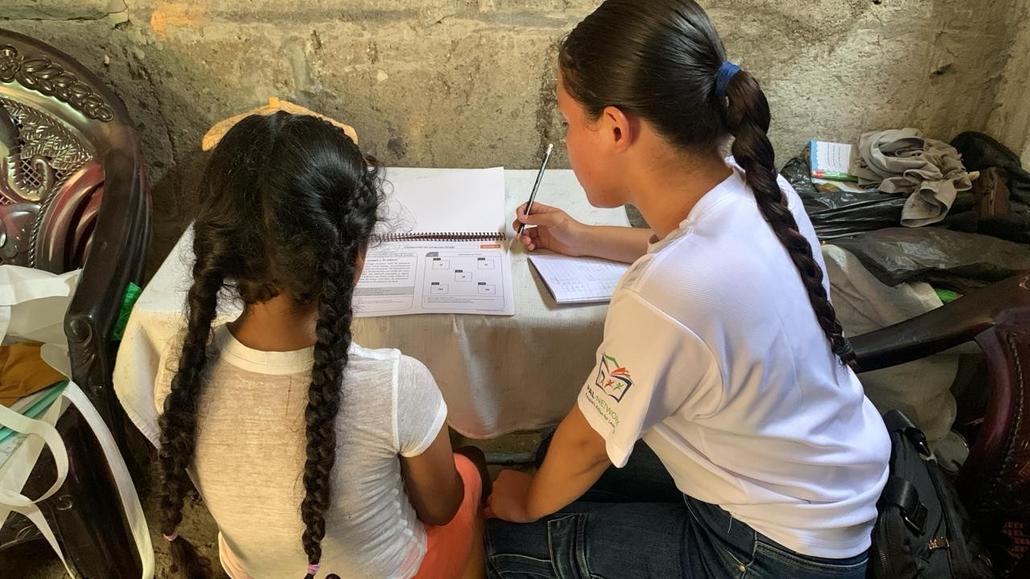
An assessment may begin with a child and a booklet, but it does not always end there. It can spark a child’s curiosity, make a parent look at learning differently, bring a citizen volunteer who is acting as the surveyor closer to the realities families face, or prompt a community leader to ask what children need in order to learn. And sometimes, for a child, what begins as an assessment becomes something worth taking further, repeating or sharing.
On this International Literacy Day, that small encounter is worth remembering because ICAN-ICAR is simultaneously about generating evidence at scale while remaining rooted in deeply individual moments of children, families and communities.
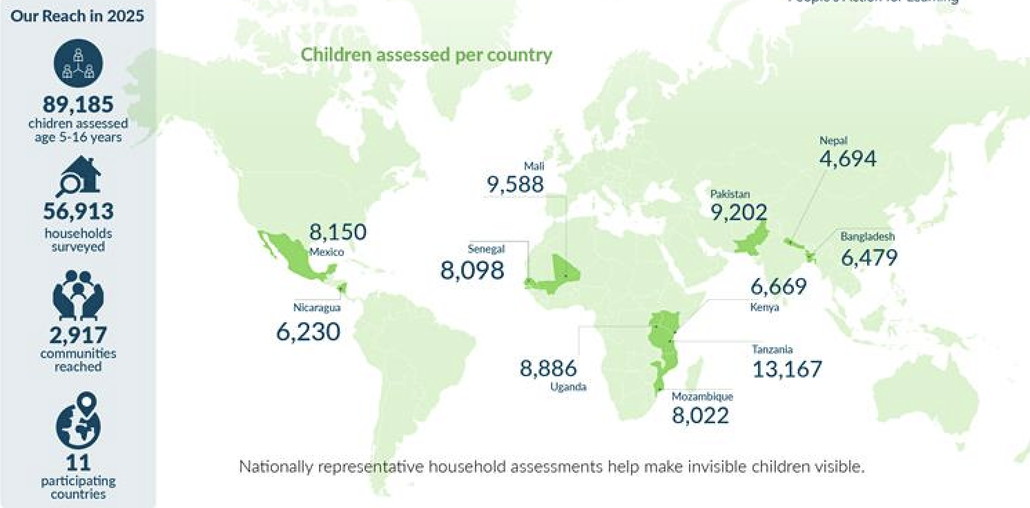
In 2025, PAL Network teams took ICAN-ICAR into homes across 11 countries in the Global South, reaching 56,913 households and assessing 89,185 children aged 5-16. Because the assessment happens in households rather than only in schools, it can also reach children who are out of school or attend irregularly.
But every one of those numbers begins at a doorstep.
Before there can be a data point, someone has to knock on a door. A volunteer has to explain why they have come. A parent has to choose to let them in. A child has to decide whether they feel comfortable taking part. And sometimes a community leader has to help a team cross difficult terrain simply to find the household.
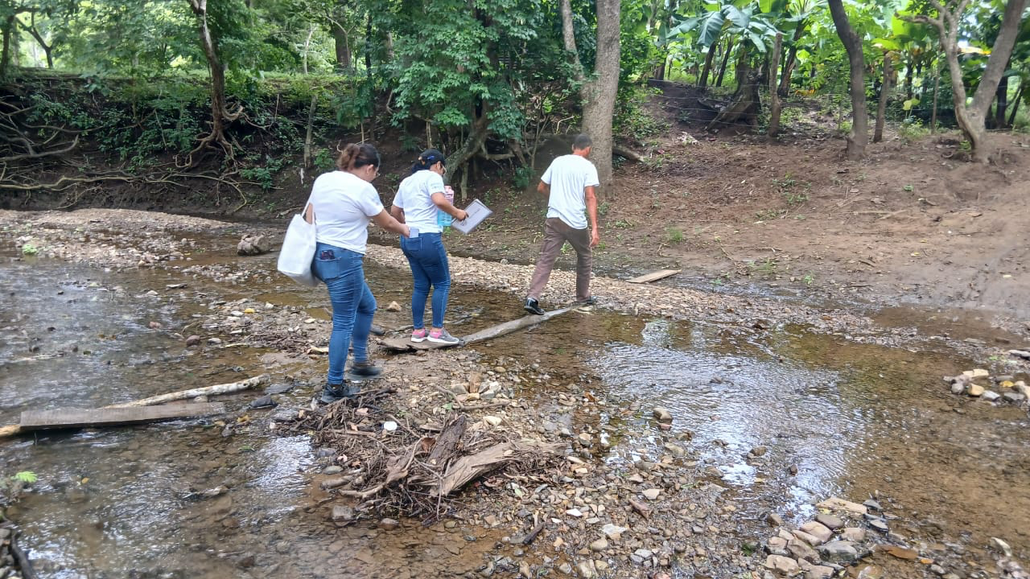
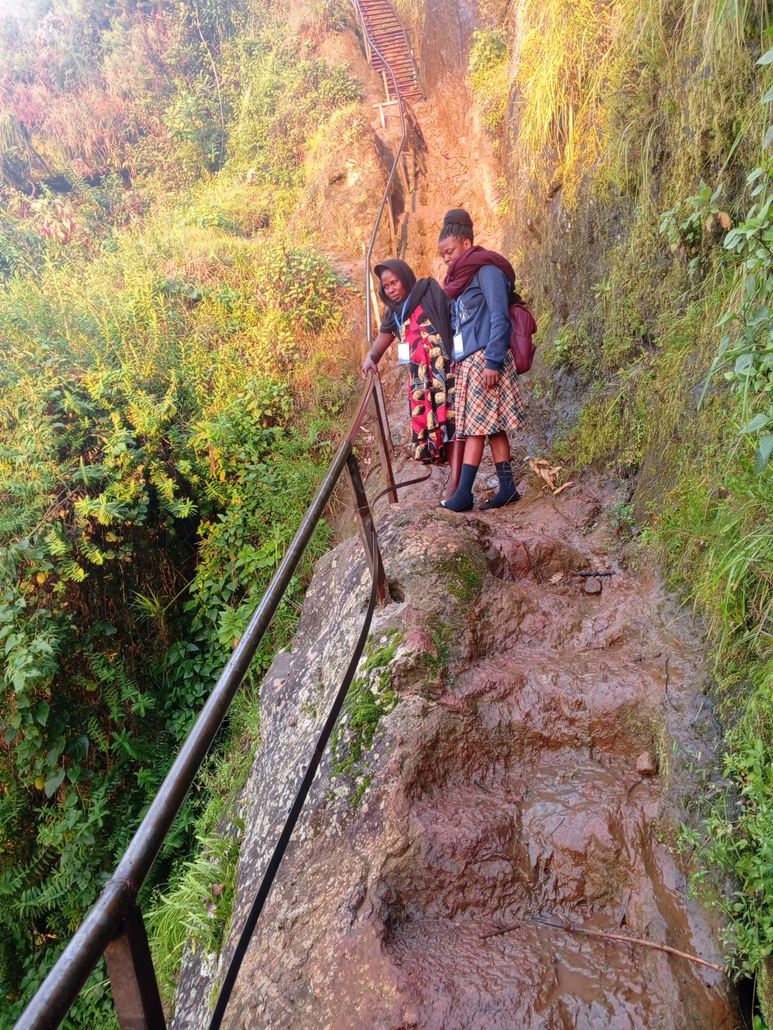
From there, the surveyor has to do more than follow a booklet and build rapport, notice when a child is nervous or tired, give them time to think, and judge when to encourage, when to wait and when to stop. Along the way, citizen volunteers also come face-to-face with the realities around learning where a simple assessment question could raise bigger questions: Why is this child struggling? What support is available? What is missing?
Learning is not always an individual story. It is shaped by what surrounds a child at home in the form of time, support, resources and encouragement available to them. But it can also travel outward, through what children take from their own learning and share with their families and communities.
The data shows us patterns and gaps at scale and the stories show us what they mean in real lives. And we need both. The evidence to show where change is needed, and the human experience to remind us why it matters.
Somewhere among the 89,185 assessments performed for the 2025 ICAN-ICAR round is the child in Nicaragua who finished the exercise, copied the questions and turned to their mother to continue the assessment herself. The dataset cannot record what happened next. But this moment reminds us what all the numbers are ultimately about. Children engaging with learning, families engaging with their children, and communities becoming part of the effort to make foundational literacy and numeracy possible for every child.
That is the human infrastructure behind ICAN-ICAR: thousands of volunteers, partner organisations, community leaders, families and children turning household visits into evidence that can inform research, policy and action.
Explore the evidence
The stories from the field are only one part of what the ICAN-ICAR global round has produced. Explore the findings, underlying data and emerging insights through the resources below:
ICAN-ICAR Global Report: https://lnkd.in/gnWPWifh
Spotlight 1 | Education Exclusion in the Global South: https://lnkd.in/dryiiDBp
Spotlight 2 | Focus on Math Learning: https://lnkd.in/dRc6VH3i
Spotlight 3 | Gender and Learning in the Global South: https://lnkd.in/d4JUtSRa
Open microdata: https://lnkd.in/gfG5Cyav
ICAN-ICAR Data Dashboard: dashboard.palnetwork.org
ICAN-ICAR generates globally comparable evidence on children’s foundational reading and numeracy skills, including their ability to read with understanding and perform basic mathematics. To enable meaningful comparison across diverse contexts, the ICAN-ICAR tools were adapted into 17 languages and implemented by trained local teams, supported by rigorous systems for sampling, training, monitoring and data quality. ICAN-ICAR tasks are aligned with the Global Proficiency Framework (GPF) and have been vetted by the UNESCO Institute for Statistics (UIS) for reporting progress towards SDG indicator 4.1.1(a).